





Written by:
Last Updated:
July 28th, 2026
Crack Cocaine Addiction
Of all the forms cocaine can take, crack is widely considered the most compulsive. The speed at which it reaches the brain, the intensity of its effects, and the abruptness of the comedown create a cycle of use that can take hold faster than most people expect and that is far more difficult to break without professional support. If you are concerned about your own crack cocaine use, or worried about someone close to you, reaching out is the right step, and it can happen at any stage.
At Bayberry, a private residential clinic set in the Warwickshire countryside, treatment for crack cocaine addiction is available in a discreet, professionally led environment. The programme is shaped entirely around the individual their specific history, their mental health, and what they need in order to move forward. Crack cocaine dependency is a serious neurological and psychological condition, and it is one that responds well to the right clinical approach, delivered with care and without judgement
What Is Crack Cocaine Addiction?
Crack cocaine addiction is a severe and rapidly developing form of cocaine dependency, characterised by compulsive use driven by the intensity and brevity of the drug’s effects rather than the pursuit of pleasure.
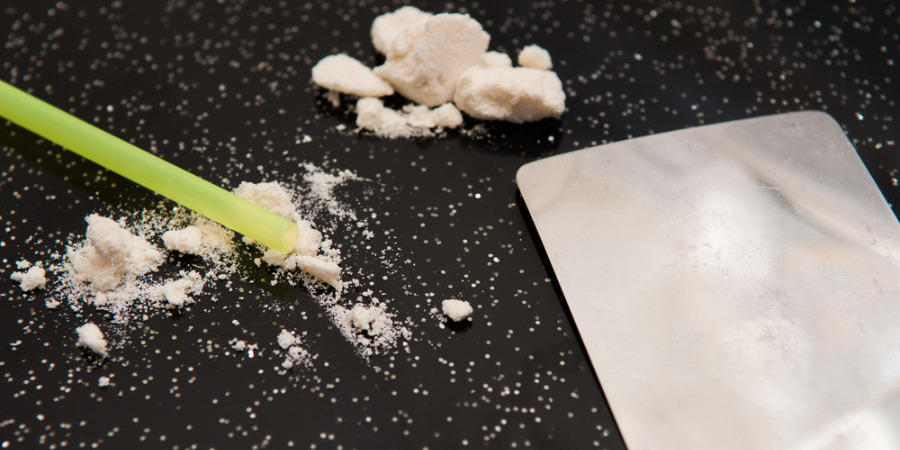
Crack cocaine is the freebase form of cocaine, produced by processing powder cocaine into a substance that can be smoked. The route of administration is what makes it so distinctively addictive. When smoked, crack reaches the brain almost instantaneously, within seconds of inhalation, compared to several minutes for snorted powder cocaine. This rapid delivery produces an extremely intense euphoric effect that is also extremely brief, typically lasting 10 to 15 minutes. When it ends, the person returns rapidly to baseline or below it, creating an almost immediate drive to use again.
The neurological process is the same as with powder cocaine, dopamine flooding the brain’s reward circuits, but the speed and intensity of the surge mean that neurological adaptation happens faster, tolerance builds more quickly, and the compulsive cycle establishes itself with a tenacity that distinguishes crack from most other substances.
The consequences compound quickly. Cardiovascular strain, severe nutritional depletion, disrupted sleep and accelerated cognitive decline are among the physical effects of sustained use. Mental health, finances, relationships and the ability to function day to day are all typically affected, often profoundly and often before the person fully registers what has happened.

You can start crack cocaine rehab future
journey starts with one phone call
What Are the Signs of Crack Cocaine Addiction?
Because crack cocaine dependency develops so rapidly, the signs can appear and intensify within weeks rather than months. They are often visible to those around the person before the individual is ready to acknowledge them, and the speed of progression can leave both the person and their family feeling caught off guard.
Common signs of crack cocaine addiction include:
If any of this feels familiar, whether in your own life or in someone you care about, it is worth having a confidential conversation. There is no threshold that needs to be crossed before support is appropriate, and crack cocaine addiction responds well to the right clinical treatment for addiction.
What Are the Risks of Crack Cocaine Use?
The health risks associated with crack cocaine are serious and span multiple body systems. Because of the speed and intensity with which the drug acts, those risks can emerge quickly, even in people who are otherwise young and healthy.
Respiratory risks: Smoking crack cocaine causes significant damage to the lungs and airways. Regular use is associated with chronic cough, coughing blood, bronchitis and, in severe cases, acute respiratory complications requiring medical attention. These risks are specific to the smoked form and are not associated with powder cocaine in the same way.
Cardiovascular risks: Crack cocaine places sudden and intense strain on the heart and circulatory system, sharply raising heart rate and blood pressure. The risk of heart attack, stroke, arrhythmia and seizures is significantly elevated with each use, not only after prolonged dependency.
Psychological risks: Severe anxiety, paranoia and agitation are common effects of crack cocaine use. Psychosis, including hallucinations and paranoid beliefs, can occur with heavy use, and the depression that follows a session can be profound. Co-occurring mental health conditions are very common among people seeking treatment for crack cocaine dependency.
Poly-substance use: Crack cocaine is frequently used alongside alcohol or other substances, which compounds the risks considerably. Combining crack cocaine and alcohol produces cocaethylene in the liver, a compound that carries its own cardiovascular risks and addictive potential. Where other substances are involved, this is taken into account from the outset of clinical assessment at Bayberry.

Why People Don’t Seek Treatment
Crack cocaine addiction carries some of the heaviest stigma of any substance dependency. The cultural images associated with it, the speed of its destruction, the visibility of its consequences, all make it very difficult for people to reach out without fear of judgement. Many people in active crack cocaine dependency describe a profound sense of shame, not just about the addiction itself, but about what they’ve had to do to maintain it. That shame is one of the most significant barriers to seeking treatment, and it keeps people suffering longer than necessary.
It’s important to understand that the compulsive nature of crack cocaine addiction is not a character defect. The speed with which crack creates dependency, and the neurological intensity of the craving it produces, means that stopping without professional help is extraordinarily difficult, as the brain has been changed by the substance itself. At Bayberry, the situation is understood clinically and responded to with compassion. There is no judgement about how someone arrived here, and no expectation that they should have been able to manage this alone.
Not sure if you need a clinical crack cocaine detox?
Our confidential self-assessment takes less than five minutes and can help you understand whether crack cocaine withdrawal support is right for you.
What Does Crack Cocaine Withdrawal Feel Like?
Crack cocaine withdrawal does not carry the life-threatening physical risks associated with alcohol or benzodiazepine withdrawal. The psychological experience, however, can be severe and deeply distressing, and the period immediately after stopping represents the highest risk of relapse.
In the immediate hours after the last use, the crash phase typically involves extreme fatigue, profoundly depressed mood, intense cravings and disrupted sleep. For people who have been using heavily in binge patterns, this phase can feel overwhelming.
As the acute phase passes, a more sustained withdrawal pattern tends to emerge. Persistent low mood, anxiety, concentration difficulties and recurring cravings can last for several weeks. The most difficult feature for many people is anhedonia, the inability to feel pleasure or reward from ordinary life, which creates powerful and sustained pressure to use again simply to feel something.
The cravings that accompany crack cocaine withdrawal are among the most intense of any substance. They are driven by the brain’s memory of the extreme dopamine surge the drug produced and the depth of the subsequent depletion. Environmental cues associated with past use, specific places, people, objects or times of day, can trigger overwhelming craving even after extended periods of abstinence.
This is one of the most important clinical reasons why residential treatment produces significantly better outcomes than outpatient approaches for crack cocaine dependency. Removing the person from familiar triggers entirely, and having professional support in place during the withdrawal phase, makes a critical difference to whether early recovery holds.
How Is Crack Cocaine Addiction Treated at Bayberry?
Because crack cocaine does not produce the physically dangerous withdrawal symptoms of some other substances, the initial focus at Bayberry is on clinical assessment, stabilisation and psychological support. Every admission begins with a doctor-led assessment covering the pattern and duration of crack cocaine use, co-occurring mental and physical health concerns, and any other substances being used that may require their own clinical management. In the early days of treatment, close monitoring ensures that complications are identified and managed promptly, including severe depression, sleep disruption and any acute psychiatric symptoms that can accompany cessation. The detox phase transitions directly into the residential therapeutic programme with no gap in care.

Treatment is built around the individual, not around a fixed programme. The therapeutic approach draws on a range of evidence-based methods, which may include cognitive behavioural therapy, one-to-one psychotherapy, family therapy where appropriate, holistic and creative therapies, and structured relapse prevention planning. A particular focus in crack cocaine treatment is addressing the psychological drivers of use, the emotional regulation difficulties, trauma history, relational patterns and specific triggers that have maintained the dependency. Relapse prevention is built into the programme from the outset, not added as an afterthought at the end. No two programmes at Bayberry are identical, because no two people arrive with the same history, circumstances or needs.
Bayberry offers two residential treatment experiences. The Manor Programme provides entirely private, one-to-one therapy in a discreet, luxury setting for up to 4 clients. The Cottage Group Plus Programme offers a structured group programme with added individual sessions and peer support. The quality of clinical and therapeutic care is consistent across both, and the admissions team can help identify the right fit based on individual needs and circumstances.
Residential treatment offers a significant advantage over attempting to stop without professional support. Removing the person from the environment, triggers and availability that sustain use, while providing round-the-clock clinical oversight and intensive therapeutic input, creates the conditions in which meaningful change becomes possible.
What Happens After Crack Cocaine Rehab?
The transition from residential treatment back to everyday life is the period of highest relapse risk. The environments, relationships and stresses that were associated with crack cocaine use are still present, and the anhedonia and cravings that can persist after stopping mean that ongoing support is not optional, it is essential.
Bayberry provides five years of free live online aftercare to all clients who complete their programme, alongside access to the UKAT alumni network. That continued professional connection and peer support during the post-discharge period is one of the most effective protective factors in sustained recovery from crack cocaine dependency, combining structured professional guidance with community from others who understand the specific experience of this addiction.
For those who want or need additional individual therapeutic support after discharge, outpatient therapy sessions are available to help maintain progress and navigate challenges as they arise.
How to Take the Next Step
Reaching out does not require a formal decision, a referral or certainty about what comes next. A phone call is enough to start.
Bayberry’s admissions team is available seven days a week to talk through the situation, answer questions honestly and help work out whether Bayberry is the right fit. Where admission is the right next step, it can often be arranged quickly. An initial telephone assessment covers clinical needs, practical arrangements and any immediate concerns, and transport can be arranged for those who need it.
Whether you are calling for yourself or for someone you care about, the conversation will be handled with discretion and without pressure. Sometimes the most important thing is simply to speak with someone who understands.
Find the right crack cocaine rehab programme for you, today
Not all crack cocaine addiction treatment is the same. Our admissions team will guide you towards the most suitable programme for your needs, providing confidential support and no pressure.
Frequently Asked Questions


