




Written by:
Last Updated:
July 28th, 2026
Cannabis Addiction
Cannabis is widely used, often regarded as low-risk, and frequently described as a substance people can give up whenever they choose. For many people, that may be true. But for others, particularly those using heavily or those who have been relying on cannabis to manage anxiety, sleep, pain, stress or difficult emotions, stopping is far more complicated than it sounds. When attempts to cut down keep failing, when life starts to feel flat or unmanageable without it and when relationships, work or mental health are being affected, cannabis use may have crossed into dependency.
At Bayberry, a private residential clinic in the Warwickshire countryside, treatment for cannabis addiction is available for individuals who are finding it difficult to stop on their own. The programme is bespoke, built around each person’s specific history with cannabis, their mental health needs and what they need to move forward. Cannabis use disorder is a recognised clinical condition, and it responds well to the right therapeutic support, delivered within the right environment.
What Is Cannabis Addiction?
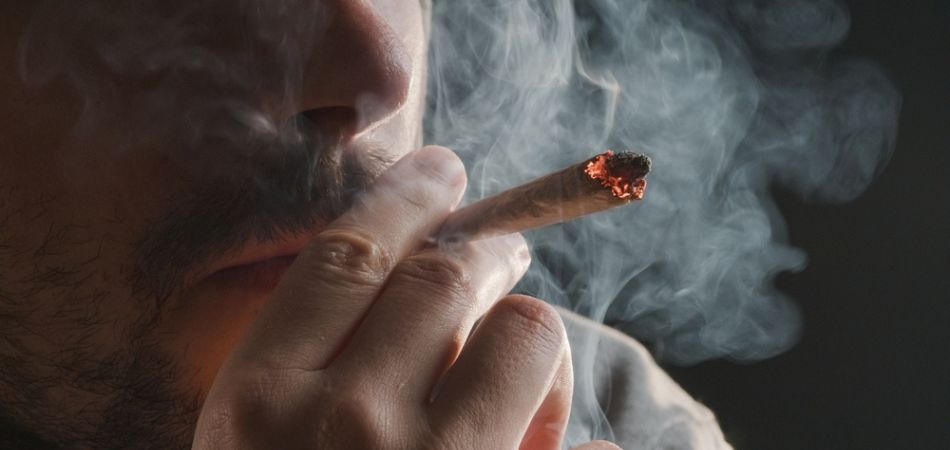
Cannabis use disorder is the clinical term for a pattern of cannabis use that causes significant distress or impairment and proves difficult to control despite its consequences. It is more common than many people realise, and it is frequently minimised, both by those experiencing it and by those around them.
Cannabis acts primarily on the endocannabinoid system, binding to receptors that regulate mood, memory, appetite, sleep and stress response. With regular or heavy use, the brain adapts to the presence of cannabis. Natural endocannabinoid activity decreases, and the person becomes increasingly reliant on cannabis to feel calm, motivated or able to sleep. Over time, more cannabis is needed to achieve the same effect, and going without it produces uncomfortable withdrawal symptoms.
Cannabis dependency often develops gradually. What begins as occasional recreational use can shift gradually into a daily habit. For some people, cannabis becomes a primary way of coping with anxiety, loneliness, boredom or emotional difficulty. Once that pattern is established, stopping feels genuinely difficult, and the discomfort that follows only reinforces the urge to use again.
Your cannabis-free future
starts with one phone call.
The question of whether cannabis is addictive is sometimes contested, but the clinical evidence is clear: cannabis use disorder is a real and recognised condition, and those affected deserve the same access to professional support as anyone struggling with any other form of addiction.
What Are the Signs and Symptoms of Cannabis Addiction?
Cannabis dependency does not always announce itself clearly. Because cannabis is widely accepted and its use is often social and normalised, the signs can be easy to overlook or explain away. Over time, patterns emerge that are worth paying attention to.
Common signs that cannabis use may have become difficult to control include:
If any of these patterns feel familiar, whether in your own life or in someone you care about, it is worth speaking to someone who understands cannabis use disorder. Recognising the pattern is often the hardest part. Support is available, and it works.
Not sure if you need cannabis detox?
Our short, confidential self-assessment takes less than five minutes and helps you understand your relationship with alcohol — with no pressure and no obligation to go further.
What Are the Risks of Cannabis Use?
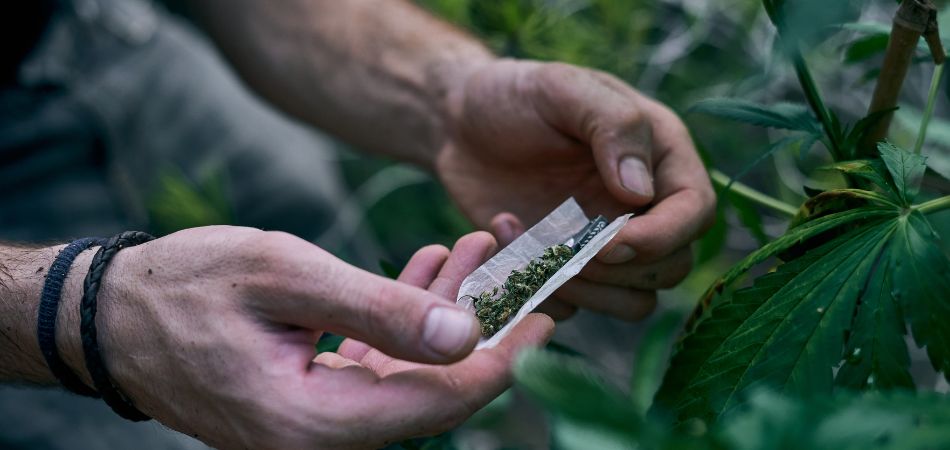
Weed is not a harmless substance, and the risks associated with regular or heavy use are well-documented. Understanding those risks and having an honest picture of what sustained cannabis use can do is important.
Mental health is one of the most significant areas of concern. Regular cannabis use is associated with increased rates of anxiety and depression, and in some individuals, particularly those with a personal or family history of psychosis or those who use high-potency products, cannabis can contribute to or exacerbate paranoia, psychotic episodes or long-term mood instability. The relationship between cannabis and mental health is complex and individual, but it is clinically well established.
Cognitive function can also be affected by sustained heavy weed use, including difficulties with memory, concentration, decision-making and processing speed. These effects can be subtle and may not be immediately recognised as cannabis-related. For younger people whose brains are still developing, the risks are more pronounced.
Physical risks include respiratory damage for those who smoke cannabis, particularly in combination with tobacco. Cardiovascular effects, including increased heart rate, can be relevant for some individuals. Cannabinoid hyperemesis syndrome, a condition involving cycles of severe nausea and vomiting, can develop in some heavy users.
The impact on daily functioning, motivation, relationships and life goals should not be underestimated either. For many people affected by cannabis use disorder, the clearest sign that something needs to change is not a single dramatic consequence but a gradual erosion of the life they want to be living.
How Does Cannabis Addiction Affect Families and Loved Ones?
Cannabis addiction affects far more than just the person using. Partners, parents, siblings and friends often notice the changes long before the individual is ready to acknowledge them. The gradual withdrawal from family life, the irritability and mood changes, the loss of drive and presence, and the secrecy that can accompany problematic use all take a toll on those closest to the person.
If you are worried about someone you care about, you do not need to wait for them to be ready before reaching out. Understanding what cannabis use disorder involves and what treatment options are available is one of the most useful things you can do. Our admissions team can speak with family members, partners and friends in complete confidence, help you make sense of what you are seeing and talk through the options at whatever stage you are at.
Many of the enquiries Bayberry receives come from loved ones rather than from the individual themselves. No prior commitment is required to have a conversation and where appropriate, loved ones can also be involved therapeutically within the client’s treatment through family or partner sessions, supporting understanding, communication and recovery that extends beyond the residential stay.
Safe, medically supported cannabis detox with continuous clinical care and oversight throughout.
Drug withdrawal can feel overwhelming during the detoxification process, but you don't have to go through it alone. Call now and our admissions team will walk you through exactly what to expect; at no cost and with no obligation.
What Does Cannabis Withdrawal Feel Like?
Cannabis withdrawal does not usually carry the same medical risks as alcohol or benzodiazepine withdrawal, but the psychological symptoms can be genuinely difficult to manage. For many people, this is the period of highest relapse risk because the discomfort of withdrawal makes returning to weed feel like the only way to feel normal again.
Symptoms typically begin within 24 to 72 hours of stopping and can last for one to three weeks, sometimes longer for those who have been using heavily over an extended period. Common withdrawal symptoms include:
- Irritability, agitation and low frustration tolerance. Small things become harder to manage. Patience thins. Relationships can feel strained during this period, even when nothing significant has changed.
- Anxiety and restlessness. A persistent sense of unease or agitation is common, particularly in the first week. For those who were using cannabis specifically to manage anxiety, this can feel acute.
- Low mood and emotional flatness. The brain’s reward system, accustomed to the effects of cannabis, takes time to recalibrate. In the meantime, everyday life can feel colourless and unrewarding.
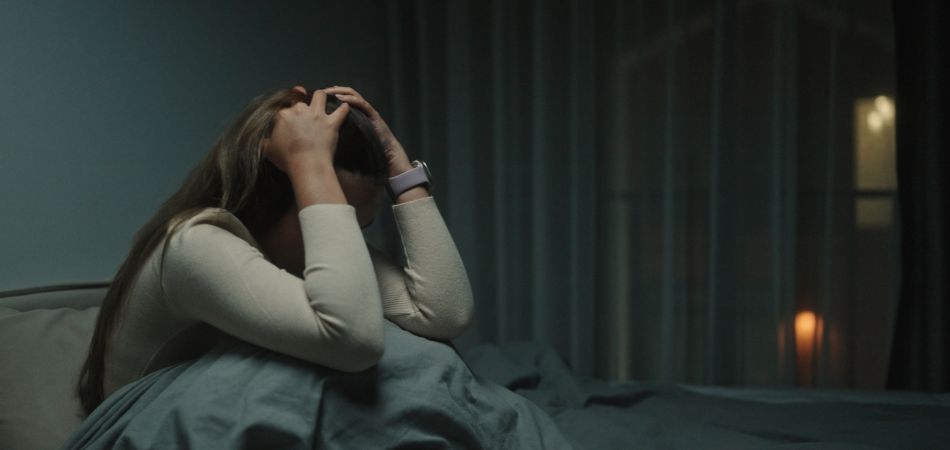
- Sleep disruption. Difficulty falling asleep, frequent waking and vivid or disturbing dreams are among the most commonly reported symptoms and disrupted sleep makes everything else harder to manage.
- Reduced appetite. Appetite often drops significantly in the early stages of withdrawal, sometimes accompanied by nausea and associated weight loss.
- Difficulty concentrating. Mental focus and clarity are often affected, making work, decision-making and day-to-day tasks feel more effortful than usual.
- Low motivation and reduced energy. The drive to engage with everyday life can diminish noticeably during withdrawal, compounding the emotional difficulty of early recovery.
- Cravings. Often intense and unpredictable, cravings can be triggered by familiar environments, routines or social situations associated with past use. They tend to ease over time, but can feel overwhelming in the early stages.
The combination of low mood, poor sleep and intense cravings makes this period particularly hard to navigate without support. For people who were using cannabis to manage anxiety, depression or sleep difficulties, the return of those underlying symptoms during withdrawal can feel sharp and destabilising. Residential treatment provides a structured environment in which none of this has to be faced alone.
How Is Cannabis Addiction Treated at Bayberry?
Treatment at Bayberry begins with a doctor or psychiatrist-led assessment on admission. This explores the person’s cannabis use, pattern of dependency, physical health, mental health, sleep, previous treatment experiences and any other substance use or prescribed medication that may need clinical consideration.
Cannabis detox and withdrawal are usually more psychological than medically complex, but that does not mean it is easy. In the early stages of treatment, clients may need support with cravings, irritability, anxiety, low mood, disrupted sleep and loss of motivation. At Bayberry, this takes place in a calm, discreet and supportive residential environment, with staff available day and night.

The therapeutic programme addresses the psychological, emotional and relational dimensions of cannabis dependency through a bespoke combination of approaches. These may include CBT, one-to-one psychotherapy, structured group therapy, family or systemic therapy, creative therapy, mood management, holistic wellbeing support and relapse prevention planning.
Treatment is shaped around the individual rather than delivered as a fixed programme. For some, the Manor Programme is preferred as it offers intensive one-to-one therapy in a private, comfort-led setting. For others, the Cottage Group Plus Programme provides needed structure with a group timetable alongside individual therapy, creative therapy, wellbeing support and long-term aftercare.
For many people, cannabis has been a way of managing something: anxiety that was never properly treated, low mood that was easier to suppress than address, sleep difficulties that became chronic, or a sense of emotional numbness that use briefly relieved. Understanding the root of the addiction is just as important as stopping. Treatment at Bayberry creates the space to do both.
Bayberry’s Two Treatment Programmes
Bayberry offers two distinct residential treatment experiences. The quality of medical and therapeutic care is the same across both. The difference lies in the environment, the therapy format, the level of privacy and the overall experience.
The admissions team can help identify which programme is the best fit, based on individual needs, mental health history, previous treatment experience and personal circumstances.
What Happens After Cannabis Rehab?
The period following residential treatment is a critical time. The triggers, environments and emotional patterns that surrounded cannabis use in daily life do not disappear at discharge, and having structured support during the transition back is essential for sustaining progress.
Bayberry provides five years of free aftercare to all clients who successfully complete their programme. This includes twice-weekly live online group sessions, led by Bayberry’s support team, providing continued connection, accountability and professional guidance throughout the early years of recovery. Clients also have access to the wider UKAT alumni network, offering a long-term peer community and additional recovery resources.
For those who need or want additional individual therapeutic input after discharge, outpatient therapy sessions can also be arranged on an ongoing basis.
How to Take the Next Step
Getting in touch with Bayberry does not require a referral, a firm decision or any kind of commitment. It starts with a confidential conversation. Bayberry’s admissions team is available to talk through the situation, answer questions about cannabis addiction treatment and what residential rehab involves, and help identify the most appropriate programme.
Admissions are available seven days a week, and Bayberry can often arrange admission within a very short timeframe when needed. An initial phone assessment covers clinical needs, practical arrangements and any immediate concerns. Whether you are reaching out about your own cannabis use or on behalf of someone you care about, the team will listen without judgement and help you understand what is possible.
Find the right cannabis rehab programme for you, today
Not all cannabis addiction treatment is the same. Our admissions team will guide you towards the most suitable programme for your needs, providing confidential support and no pressure.
Frequently Asked Questions
(Click here to see works cited)
- Volkow, N.D., Baler, R.D., Compton, W.M. and Weiss, S.R.B. (2014) ‘Adverse health effects of marijuana use’, New England Journal of Medicine, 370(23), pp. 2219–2227. doi:10.1056/NEJMra1402309.


