




Written by:
Last Updated:
July 29th, 2026
UKAT Alumni Programme: Recovery Community After Rehab
Residential treatment is a beginning, not an end. The weeks spent in a structured therapeutic environment, working through the roots of dependency and building the foundations of recovery, take real courage, and what comes after matters just as much as what happens during.
Many people leaving rehab wonder who they can talk to, how to stay connected, and whether recovery will feel isolating once the structure of residential life falls away. Those concerns are understandable, and they are exactly what long-term recovery community is designed to address.
As part of the UKAT Group, Bayberry clients may be able to access the wider UKAT Alumni Programme, a recovery community built around peer connection, sober social activity and long-term engagement after treatment. It is not clinical support. It is something different and equally important: a sense of belonging to a community of people who understand.
What Is the UKAT Alumni Programme?
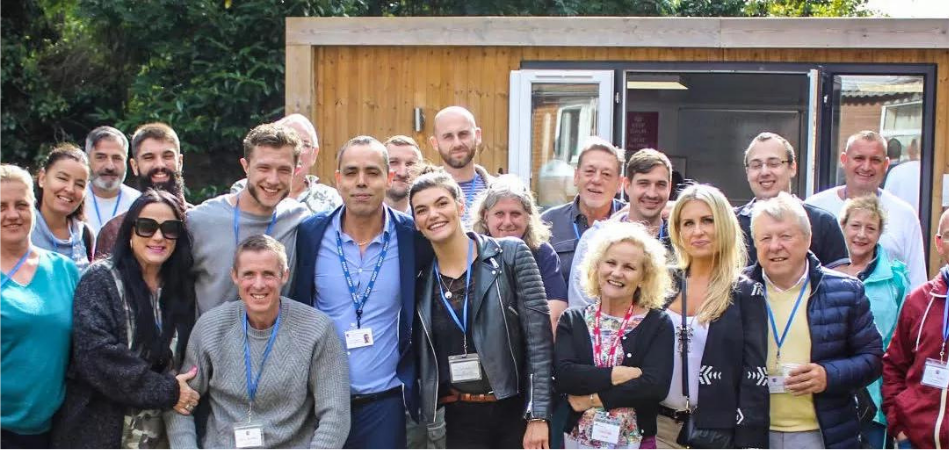
The UKAT Alumni Programme is a recovery community for former clients who have completed treatment across UKAT’s network of centres. With around 14,000 alumni members, it is one of the largest peer recovery communities available through a private treatment provider in the UK.
The programme brings together people at different stages of their recovery journey, with different backgrounds and different histories, around the shared experience of having completed treatment and choosing a different way to live. That common ground creates a particular kind of understanding that is difficult to find elsewhere.
Alumni support is not therapy. It is not a clinical service. It is the ongoing human dimension of recovery: connection, mutual encouragement, sober social activity and a continued sense of identity within a recovery community. For many people, it becomes a meaningful part of life well beyond the immediate post-treatment period.
Why Recovery Community Matters After Rehab
The transition from residential treatment back to everyday life can be one of the most challenging periods in recovery. The structure, the therapeutic support and the enclosed environment of a residential setting provide a kind of protection that does not follow you home.
Isolation is one of the most significant risk factors for relapse. Old social circles may be closely linked with alcohol or drug use. Ordinary situations can carry unexpected triggers. And recovery, in its early stages especially, can feel unfamiliar, even uncomfortable, in ways that are difficult to explain to people who have not experienced it.
Peer connection addresses that directly. Being part of a community of people who understand, who have faced similar challenges and come through them, can reduce the loneliness that often accompanies early recovery. Seeing others further along in their journey offers genuine hope. Sober social activity helps rebuild a social life that is not organised around substances. And the sense of belonging to something larger than your own recovery can be a quiet but powerful source of motivation.
How Alumni Support Differs from Aftercare
It is worth being clear about the distinction between alumni support and aftercare, because they serve different purposes and complement each other rather than replacing one another.
Aftercare is structured continuing support after residential treatment. At Bayberry, this includes five years of free twice-weekly live online group sessions, professionally led by the support team, providing continued therapeutic guidance and accountability during the post-treatment period.
Secondary care is a more structured step-down option for people who need additional clinical support after primary residential treatment before moving to a less intensive level of care.
The Alumni Programme is something different. It is the wider peer community that exists beyond the clinical relationship. It is sober social connection, shared experience and long-term belonging to a recovery community. Neither replaces the other, and neither is a substitute for therapy, medical support, fellowship involvement or crisis services. Together, aftercare and alumni support offer both the professional and the peer dimensions of sustained recovery.
What the Alumni Programme May Offer
Alumni activity is centred around sober social connection and peer support, and includes events and gatherings that bring the recovery community together throughout the year. Past activities have included bowling, summer barbecues, seasonal celebrations and other shared occasions. The emphasis is on building a social life in recovery that feels full rather than reduced, one where the people around you understand the journey because they have been on it themselves.
Specific activities and availability vary depending on location and timing. The admissions team can provide current detail on what is available and how clients can get involved after completing treatment.
Reach out today for rehab guidance
Our admissions team will guide you towards the right addiction treatment programme and answer all your questions, completely free of charge and with no obligation.
Sober Connection, Events and Peer Support
One concern that some people carry into treatment is that getting sober will mean losing their social life. Many people have socialised around alcohol or drug use for years, and the prospect of rebuilding a social world without that is genuinely daunting.
The alumni programme helps to show that recovery can include friendship, laughter, activity and genuine connection. Sober events are not a compromise on social life. They are a different version of it: one that does not carry the consequences that eventually made the old version unsustainable.
For people who previously socialised around substances, having access to a community where sober social activity is the norm, rather than the exception, can be one of the most practically useful aspects of the alumni programme. Recovery does not have to feel like absence. It can be the beginning of something richer.
Bayberry Clients and the Wider UKAT Community
Bayberry is a private residential clinic offering discreet, bespoke treatment in the Warwickshire countryside. The care provided here is highly personal, and the relationships formed during residential treatment are part of what makes the Bayberry experience distinctive.
Bayberry’s place within the UKAT Group means that clients benefit from more than what a single clinic can offer on its own. The wider UKAT recovery network, with its community of around 14,000 alumni, provides a scale of peer connection and long-term recovery support that goes beyond what any individual centre could build alone.
This is not about losing the Bayberry identity. It is about what becomes available to clients after treatment: a broader community of people in recovery, more opportunities for sober connection and a long-term support structure that extends well beyond discharge.
The Role of Giving Back in Recovery
In the early stages of recovery, the alumni programme is primarily about receiving: connection, encouragement and the reassurance of knowing others have been where you are and found a way forward.
Over time, that dynamic often shifts. Many people in longer-term recovery find real value in being available to those who are earlier in their journey. Sharing experience, offering encouragement and simply being present as an example of what sustained recovery can look like are things that reinforce one’s own recovery as much as they support someone else.
This is not something the programme requires. It happens naturally, and it reflects something meaningful about what recovery community is: not a service that flows in one direction, but a network of mutual support that everyone both contributes to and benefits from.
How to Take the Next Step
Questions about alumni support can be raised at any point, during an initial enquiry, in the middle of a residential stay or when planning for discharge. Discharge planning at Bayberry always includes a conversation about continuing support, covering aftercare, and alumni community access where relevant.
If you would like to understand what support looks like after treatment before making a decision about admission, the admissions team is available seven days a week and happy to explain it clearly. Knowing what comes after is a reasonable and sensible part of choosing where to be treated.
A healthier, addiction-free life is possible, and it starts here
Whether this is your first step or support following a relapse, we provide expert care at every stage of recovery in a safe and supportive setting.


