





Written by:
Last Updated:
July 28th, 2026
Addiction
Addiction is still widely misunderstood. Despite everything that is known clinically about how dependency develops and why it persists, it continues to be treated in public discourse as a failure of character rather than a health condition. That misunderstanding has consequences. It shapes how people feel about themselves, how long they wait before seeking help, and how much they have suffered by the time they do.
Bayberry is a specialist private residential clinic in the Warwickshire countryside. We treat addiction across a broad range of substances and behavioural presentations, and we do it with the clinical seriousness and individual attention that effective treatment requires. Every programme is built around the person in front of us, their history, their circumstances, their mental health and what recovery genuinely needs to look like for them.
If you are considering treatment or simply want to understand what it involves, the admissions team is available seven days a week for a completely confidential conversation.
What Is Addiction?
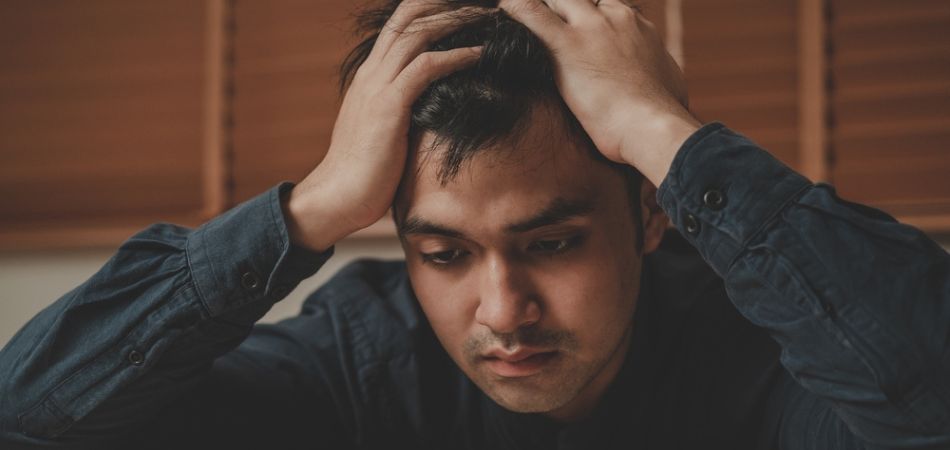
Addiction is not a choice that has gone wrong or a habit that has got out of hand. It is a recognised health condition in which the brain has been fundamentally altered by repeated exposure to a substance or behaviour, in ways that make stopping genuinely difficult without the right support.
Addiction is a condition in which compulsive engagement with a substance or behaviour continues despite clearly negative consequences. It involves neurological changes, particularly in the dopamine-driven reward system, that alter how pleasure, motivation and decision-making function. Over time, the substance or behaviour becomes the brain’s primary reference point for relief, reward and coping, making abstinence feel physiologically and psychologically threatening.
Physical dependence, where the body adapts to the presence of a substance and produces withdrawal symptoms when it is absent, is one dimension of addiction. But psychological dependence is equally significant, and often more persistent. The compulsive need to use in order to cope, feel normal, manage anxiety or escape emotional pain can outlast physical withdrawal by months or years. This is why detox alone is never sufficient, and why the therapeutic work that follows is so important.
Find the right addiction rehab programme for you, today
Not all addiction treatment is the same. Our admissions team will guide you towards the most suitable programme for your needs, providing confidential support and no pressure.
Types of Addiction We Treat
Bayberry provides specialist residential treatment across a broad range of addictions. Select the category most relevant to your situation or that of the person you care about.
Alcohol Addiction
Residential treatment for people whose drinking has begun affecting health, relationships, work or day-to-day functioning.
Alcohol Addiction
Drug Addiction
Specialist support for dependency on cocaine, heroin, cannabis, crack cocaine, ketamine, crystal meth and other substances.
Drug Addiction
Prescription Drug
Treatment for dependency on medications, including opioids, benzodiazepines, sleeping pills and stimulants, with supervised withdrawal.
Prescription Drug Addiction
Behavioural Addiction
Residential treatment for compulsive behaviours including gambling, sex and love addiction, and compulsive pornography use.
Behavioural Addiction
Sleeping Pill Addiction
Professional treatment for sleeping pill dependency, with safe, gradual withdrawal and integrated therapeutic support throughout.
Sleeping Pill Addiction
Stimulant Addiction
Treatment for dependency on medications, including opioids, benzodiazepines, sleeping pills and stimulants, with supervised withdrawal.
Stimulant Addiction
Recovery creates space for new beginnings
We’ve seen it thousands of times.
Thousands of people have trusted us to help them overcome addiction dependency through expert care, immediate access to treatment, and a recovery plan designed around them.
Understanding Addiction and Dependency
For most people, there was a period of use that felt manageable, recreational, occasional, or for specific purposes, before something shifted. That shift typically involves tolerance developing without the person fully noticing, and escalating to compensate. The original reasons for use, whether pleasure, relief from stress, pain management or social ease, are gradually replaced by a more pressing driver: avoiding the discomfort of not using.
What makes this progression particularly difficult to recognise from the inside is that the brain adapts its own self-perception alongside its neurochemistry. The minimisation, the rationalisation, the persistent sense that the situation is not serious enough to warrant professional help, these are recognised features of the condition itself, not signs of weakness or denial. Addiction rarely exists in isolation either. It is shaped by genetics, life experience, trauma and mental health, which is why effective treatment has to be built around the individual rather than applied from a standard template.
Shame is one of the most powerful barriers between a person and the help they need. It keeps people managing privately long after the point at which treatment would make a real difference. At Bayberry, the focus is never on how someone arrived here. It is entirely on what happens next.
Addiction Detox and Residential Rehab at Bayberry
For addictions involving significant physical dependency, the first stage of treatment is medically assisted detox: the clinical process of managing the body’s adjustment to the absence of a substance. The risks and requirements vary considerably depending on what is being treated, and the approach is always individualised accordingly.
Alcohol, benzodiazepine and opioid withdrawal can involve serious physical risks and require close medical supervision. Prescription drug dependency may require a carefully managed reduction under clinical guidance rather than abrupt cessation. Stimulant addictions, including cocaine, crack cocaine and crystal meth, may not involve the same acute physical dangers at withdrawal, but the psychological consequences, including intense cravings, severe low mood and a significantly elevated relapse risk, can be profound and require dedicated clinical and therapeutic support.

Every client at Bayberry receives a doctor-led assessment on admission. A personalised detox plan is developed based on the substances involved, the duration and volume of use, physical health, previous withdrawal history and any co-occurring conditions. Medication is prescribed where clinically appropriate, and clients are closely monitored throughout. Detox leads directly into the residential therapeutic programme with no gap in care.
How to Take the Next Step
For many people, the hardest part is not finding the right treatment. It is making the first call. That call does not require a decision to do anything other than find out more.
Bayberry’s admissions team is available seven days a week for a completely confidential conversation. They can talk through the situation honestly, answer questions about what treatment involves, and help work out whether Bayberry is the right fit.
Whether you are calling for yourself or someone you care about, there is no pressure and no obligation beyond the conversation itself.
A conversation can change
everything
Taking the first step, and acknowledging your dependency is the hardest part. Call us today, and speak with a member of our team in complete confidence, who understands firsthand the challenges of addiction.


