




Written by:
Last Updated:
July 28th, 2026
Private Residential Drug Rehab
Drug rehab is often considered when substance use has become difficult to control, when attempts to stop have not held, when cravings or withdrawal symptoms are appearing, or when the consequences for health, relationships and daily life have started to accumulate. For many people, and for the families watching from the outside, the decision to seek residential support is one that has been building for some time.
Bayberry provides discreet private drug rehab, supporting people through clinical assessment, detox or stabilisation where clinically appropriate, bespoke therapeutic treatment, relapse prevention and ongoing recovery planning. Treatment is shaped around the individual, not delivered from a fixed template.

What Is Drug Rehab?
Drug rehab is structured treatment for drug dependency or harmful substance use. It is not simply time away from drugs, and it is not defined by detox alone. Recovery involves understanding what has driven use, what sustains it, and what needs to change for a person to move forward.
At Bayberry, drug rehab begins with a thorough clinical assessment and personalised treatment planning. Treatment is clinically led and designed to address both the substance use itself and the psychological, emotional, behavioural, relational and environmental patterns that sit behind it.
Residential drug rehab may include drug detox or stabilisation where clinically appropriate, one-to-one therapy, group therapy, relapse prevention work, mental health support, family involvement where appropriate and with consent, and aftercare planning for continuing recovery.
Removing the substance is one part of the process. Understanding why it became difficult to stop, and building the tools, insight and support needed to maintain change, is another.
When Might Residential Drug Rehab Be Needed?
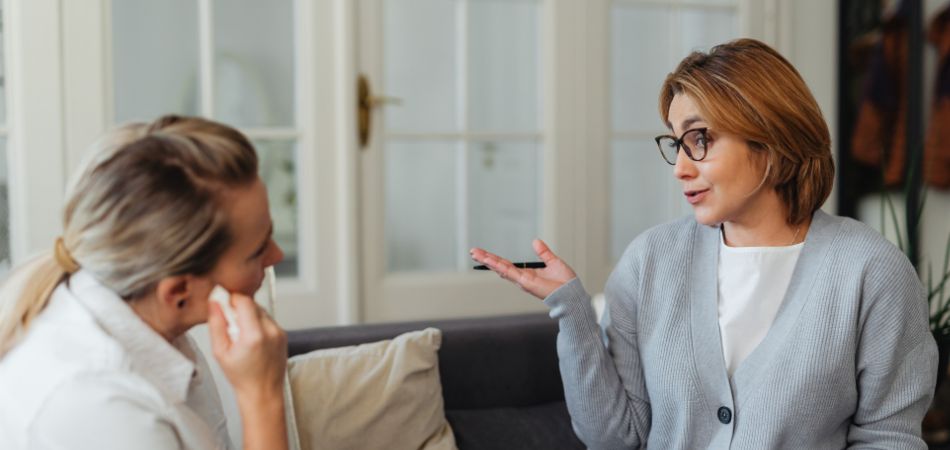
There is no single threshold a person must reach before they deserve support. If drug use is causing concern, that concern alone is reason enough to have a conversation.
Residential drug rehab may be appropriate when drug use has become difficult to manage alone, or when patterns are beginning to affect health, relationships, work, finances or day-to-day stability. This might include repeated failed attempts to stop or cut down, cravings or withdrawal symptoms when not using, increasing tolerance, secretive use, binge cycles, or using drugs to function, sleep, cope, socialise or perform.
Residential support may also be helpful when drug use is closely linked to anxiety, depression, trauma, stress or burnout, when more than one substance is being used, or when relapse has followed previous treatment. Family concern, or a growing sense of loss of control, can also be an important sign that more structured support is needed.
If any of this sounds familiar, whether for yourself or someone you care about, speaking with Bayberry’s admissions team is a straightforward and confidential first step.
Drug Detox, Withdrawal and Clinical Safety
Drug withdrawal varies significantly depending on the substance, the pattern and duration of use, physical health, mental health, and whether other substances or prescribed medications are also involved.
Some substances may require medically supported detox or close clinical monitoring. Others involve primarily psychological withdrawal, where cravings, sleep disruption, low mood, anxiety and relapse risk can still be significant even without major physical symptoms. Each presentation is different, and clinical assessment at admission is essential for understanding what is needed.
Anyone physically dependent on drugs or prescribed medication should seek medical advice before trying to stop, as withdrawal risks vary significantly between substances.
It is also important to understand that detox alone is not drug rehab. Detox can help stabilise the body and manage the immediate physical phase of withdrawal where needed. However, therapy, relapse prevention work and ongoing support are what address the reasons substance use became difficult to stop in the first place.
Reach out today for Drug rehab guidance
Our admissions team will guide you towards the right Drug addiction treatment programme and answer all your questions, completely free of charge and with no obligation.
What Happens During Drug Rehab at Bayberry?
Treatment at Bayberry is built around the person, not a fixed programme that everyone follows. Each client receives a personalised treatment plan based on their clinical assessment, substance use history, mental health, physical health and wider recovery needs.
Drug rehab at Bayberry may involve a doctor-led assessment on admission, detox or stabilisation where clinically appropriate, a structured residential routine, intensive one-to-one therapy, group therapy where suitable, relapse prevention planning, integrated mental health support, family involvement where appropriate and with client consent, and preparation for the transition out of residential care.
Treatment is not rushed and is not defined by a single approach. The programme evolves alongside the person’s progress, with support shaped around what they need to move forward safely and sustainably.
Therapy and Relapse Prevention for Drug Dependency
Therapy helps people understand the emotional and behavioural patterns that have driven and sustained their drug use. It also builds the practical skills and awareness needed to manage cravings, high-risk situations and potential relapse after discharge.
Common patterns that therapy addresses include using cocaine or stimulants to perform under pressure or escape low mood, using cannabis to numb emotion or manage anxiety, using opioids or prescribed medication to reduce physical or emotional distress, using ketamine to detach from difficult feelings, and binge cycles maintained by shame, secrecy and unresolved emotional pain.
Therapeutic approaches used at Bayberry may include:
- Cognitive behavioural therapy (CBT)
- One-to-one psychotherapy
- Group therapy where suited to the programme
- Family therapy where appropriate
- 12 Step-informed recovery work where relevant
- Rewind Therapy where trauma is a factor
- Holistic therapies and creative workshops
- Mood management
- Structured aftercare planning

Not every approach is used with every client. Treatment is selected based on individual need, not a fixed curriculum.
Drug Rehab for Mental Health and Co-Occurring Needs
Drug dependency and mental health difficulties frequently overlap. Many people using drugs are also managing anxiety, depression, trauma, stress, burnout, mood difficulties, sleep problems or the effects of prescription drug dependency. These needs do not always sit neatly apart from one another.
Bayberry’s bespoke treatment approach can support drug dependency alongside co-occurring mental health needs where clinically appropriate, integrating mental health support within the treatment programme rather than treating them as separate concerns.
Suitability is always assessed by the admissions and clinical team. Bayberry is a residential therapeutic setting, not an acute psychiatric facility, and the team will advise honestly about whether Bayberry is the right environment for each individual presentation.
Bayberry Manor and Bayberry Cottages for Drug Rehab
Bayberry offers two distinct residential treatment programmes for drug rehab. The quality of medical and therapeutic care is the same across both. The difference lies in the therapy format, privacy level, accommodation, service level and overall treatment experience.
Bayberry Manor
The Manor Programme is Bayberry’s most private and individually tailored residential treatment experience. Set in a Grade II listed manor house in the Warwickshire countryside, the Manor accommodates a maximum of four clients at any one time. All therapy is entirely one-to-one, with three hours of individual therapy per weekday delivered by the same qualified therapist throughout the stay. There is no group work of any kind. The Manor is designed for people who need complete privacy, intensive individual therapeutic support and an environment that feels as far removed from clinical settings as it is possible to be, without compromising on the quality of care.
Bayberry Cottages
The Cottage Group Plus Programme offers a premium structured residential programme combining group therapy, individual sessions and peer support. Clients are accommodated in cottage-style properties arranged around a private courtyard garden, with no more than two clients per cottage. The programme combines structured daily group therapy, three dedicated one-to-one therapy sessions each week, chef-prepared meals, creative therapy and access to Bayberry’s on-site coffee house. The Cottages suit people who benefit from shared experience, peer connection and a structured therapeutic community alongside individual therapeutic work.
Our admissions team can help identify which programme is the better fit based on clinical need, personal preference and individual circumstances.
Aftercare and Continuing Recovery
Recovery from drug dependency does not end when residential treatment finishes. The transition back to everyday life brings its own challenges, familiar environments, relationships, stress, sleep disruption and social situations can all surface as relapse risks in ways the residential setting had protected against.
Bayberry provides five years of free aftercare to all clients who complete their programme. This includes twice-weekly live online group sessions led by Bayberry’s support team, offering continued connection, accountability and professional guidance throughout the early years of recovery. Clients also have access to the wider UKAT alumni network, providing long-term peer community and additional recovery support. For those who want further therapeutic input after discharge, outpatient therapy sessions can be arranged on an ongoing basis.
How to Take the Next Step
Bayberry’s admissions team is available seven days a week for a completely confidential conversation. Whether you are considering treatment for yourself, exploring options on behalf of someone you care about, or making a professional referral, the team will take the time to understand the situation properly and help identify the most appropriate next step.
If Bayberry is not the right setting, the team will say so honestly and help identify what might be more appropriate. No referral is needed and nothing beyond that first conversation is required.
Life beyond drug dependency
is closer than you think.
We’ve seen how the right support can help people overcome drug addiction and the difference that specialist treatment can make. Whenever you’re ready, we’re here to help, without judgement, and with a clear path to recovery.


