





Written by:
Last Updated:
July 7th, 2026
Steroid Addiction
Anabolic steroid dependency can develop quietly, often behind behaviours that may appear disciplined, health-focused or performance-driven from the outside. For some people, steroid use begins as a way to change their body, improve strength or feel more confident. Over time, however, the relationship with steroids can become increasingly difficult to control, especially when stopping feels tied to losing progress, identity or self-worth.
This type of dependency is not always recognised in the same way as other addictions, as the physical changes may be praised, while the emotional pressure behind continued use remains hidden. Long-term anabolic steroid use can affect hormonal balance, mood, physical health and mental wellbeing, and the fear of withdrawal or body changes can make it extremely hard to stop without specialist support.
Bayberry provides private residential treatment for anabolic steroid dependency where treatment is tailored to the individual and supports both the medical and psychological aspects of steroid use, helping clients understand the drivers behind dependency while beginning recovery in a calm, confidential and professionally supported environment.
What Is Steroid Addiction?
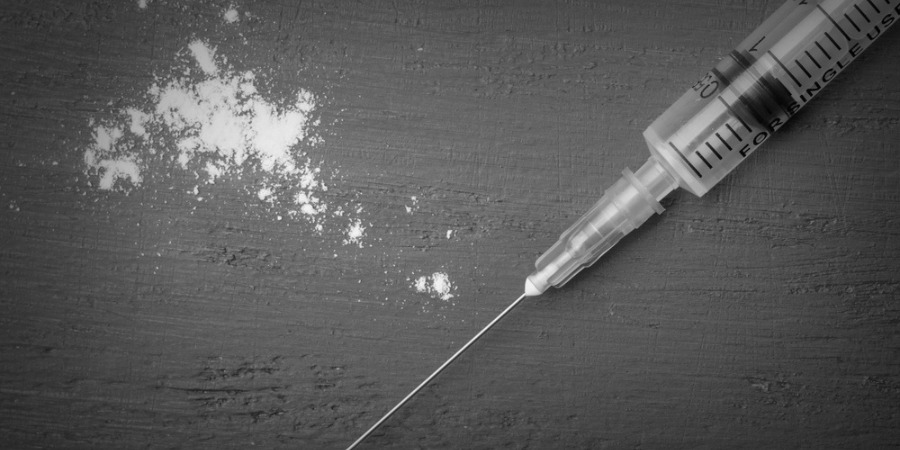
Steroid addiction is when someone continues to use anabolic steroids despite harm, feels unable to stop, or becomes psychologically dependent on the physical changes steroids produce. It may involve fear of losing muscle, strength, confidence or identity, as well as distressing physical and emotional symptoms when use is reduced or stopped.
Anabolic steroids are synthetic versions of testosterone. They can have legitimate medical uses, but when used outside prescribed treatment, particularly for bodybuilding, sport, appearance or performance enhancement, they can become difficult to control.
Over time, anabolic steroid use can suppress the body’s natural testosterone production. When someone stops, their hormone levels may take weeks or months to recover. During this period, they may experience low mood, fatigue, reduced libido, sleep problems, anxiety, irritability and loss of confidence. These symptoms can make stopping feel much harder than expected.
The psychological side of steroid addiction is often the most powerful part. Many people become dependent not only on the substance itself, but on the body, confidence or sense of control it helps them maintain. For people affected by body dysmorphic disorder or intense appearance-related distress, steroid use can start to feel necessary rather than optional.
Steroid addiction is a pattern of physical, hormonal and psychological dependency that often requires specialist support to overcome
Start your steroid detox with the right support in place
A free evaluation today means a plan that's ready when you are, tailored to your situation, with medical oversight and compassionate care from day one.
What Are the Signs and Symptoms of Steroid Use?
Steroid dependency can develop gradually. At first, increasing use may feel connected to training goals, performance targets or pressure to maintain a certain appearance. Over time, however, steroid use can become harder to control, especially when stopping feels emotionally or physically unmanageable.
Signs that steroid use may have become problematic include:
– Continued use despite clear evidence of physical harm, including cardiovascular symptoms, liver strain, hormonal disruption or mood disorder. Continuing in the face of visible, real consequences is one of the defining features of established dependency in any form.
– Escalating use over time, including increasing doses, moving from single compounds to stacking multiple substances, or shortening rest periods between cycles. Tolerance and the drive to maintain or exceed previous results are common patterns in anabolic steroid addiction.
– Preoccupation with body image, fear of losing muscle mass, or an inability to accept one’s physical appearance without steroids. When the idea of stopping generates significant anxiety or distress, the psychological dependency is firmly established.
– Significant mood changes associated with use cycles, including irritability or emotional instability during active use, and depression and low energy during off-cycles. These are direct hormonal effects of steroid use and represent some of the most distressing consequences for both the person using and those around them.
– Social withdrawal or relationship difficulties linked to steroid use, including changes in behaviour, mood or priorities that those close to the person notice and are affected by.
– Financial consequences disproportionate to income, from the ongoing cost of obtaining steroids and associated supplements or compounds.
– Failed attempts to reduce or stop use, even when motivated to do so. The combination of physical withdrawal symptoms and psychological distress around body image makes stopping without support genuinely difficult for many people.
When steroid use becomes tied to identity, confidence or self-worth, stopping can feel much more complex than simply deciding not to use. Specialist support can help address both the physical effects of steroid use and the psychological dependency that often sits beneath it.
What Are the Risks of Steroid Abuse?
The risks of long-term anabolic steroid abuse are not limited to changes in appearance or performance. Over time, steroid use can place serious pressure on the heart and wider cardiovascular system. This may include high blood pressure, unhealthy changes in cholesterol, enlargement of the heart and an increased risk of heart attack or stroke, even in people who are young, active or outwardly very fit.
Steroid abuse can also interfere with the body’s natural hormone balance. For men, this can mean reduced testosterone production, fertility problems, testicular shrinkage and, in some cases, gynaecomastia. For women, the effects may include changes to the menstrual cycle, virilisation and other physical changes that can be difficult to reverse. Oral steroids can also put significant strain on the liver.
The psychological effects can be just as difficult to manage. People may experience mood swings, irritability, anxiety, depression or emotional instability, particularly when reducing or stopping use. After heavy or prolonged steroid use, withdrawal-related depression can be severe and may need professional support. If someone is also struggling with body image distress or body dysmorphic disorder, hormonal changes can make those feelings more intense. For many people, this emotional and psychological impact becomes one of the hardest parts of steroid dependency to recover from.
Not sure where to start? We can help
No referral or prior treatment experience is needed. Our team is here to answer your questions about Steroid addiction support privately and clearly.
Bayberry · updated daily
What Does Steroid Withdrawal Feel Like?
Stopping anabolic steroid use can cause symptoms that feel more intense than many people expect. Because steroid use can suppress the body’s natural testosterone production, the period after stopping often involves a hormonal recovery process that may take weeks or months.
Steroid withdrawal can involve profound fatigue, low energy, low mood, loss of pleasure, reduced libido, sleep problems, irritability and body image distress. For people who have used steroids for a long time, emotional flatness or depression can be particularly difficult. Changes in muscle mass, strength or appearance can also feel very distressing, especially when someone’s confidence or identity has become closely tied to their physique.

Steroid withdrawal is not usually associated with the same acute physical dangers as alcohol or benzodiazepine withdrawal. However, the symptoms are real, and the risk of returning to use can be high during this period. Professional clinical support can help monitor withdrawal, manage symptoms and address the psychological impact of stopping with the care and depth it requires.
How to Take the Next Step
You do not need to have everything worked out before contacting Bayberry. Many people make an initial enquiry simply to understand their options, ask questions or talk through what has been happening in confidence. The admissions team can explain how treatment works, discuss the level of support that may be appropriate and guide you towards the most suitable programme.
Bayberry accepts admissions seven days a week and, where urgent support is needed, admission can often be arranged quickly. The first phone assessment gives the team an opportunity to understand clinical needs, practical requirements and any immediate risks or concerns. Chauffeur transfers are included for Manor clients, and transport support can also be arranged for Cottage clients.
Whether you are enquiring for yourself or someone close to you, the conversation will be calm, confidential and without judgement.
A conversation can change
everything
Taking the first step, and acknowledging your Steroid dependency is the hardest part. Call us today, and speak with a member of our team in complete confidence, who understands firsthand the challenges of addiction.


