





Written by:
Last Updated:
July 7th, 2026
Heroin Addiction
Heroin dependency is among the most physically and psychologically demanding forms of addiction a person can experience. The neurological grip that heroin establishes is powerful, withdrawal is intensely distressing, and the risk of fatal overdose during relapse is among the highest associated with any substance. For many people struggling with heroin use, and for the families around them, the situation can feel overwhelming and without a clear way forward.
It is not. Recovery is possible, and the right clinical support makes a profound difference to the outcome.
At Bayberry, a private residential clinic in the Warwickshire countryside, residential treatment for heroin dependency is delivered by an experienced clinical team in a discreet and professionally led environment. Every programme is built around the individual, their history, their mental health, their relationships and what they genuinely need in order to move forward.
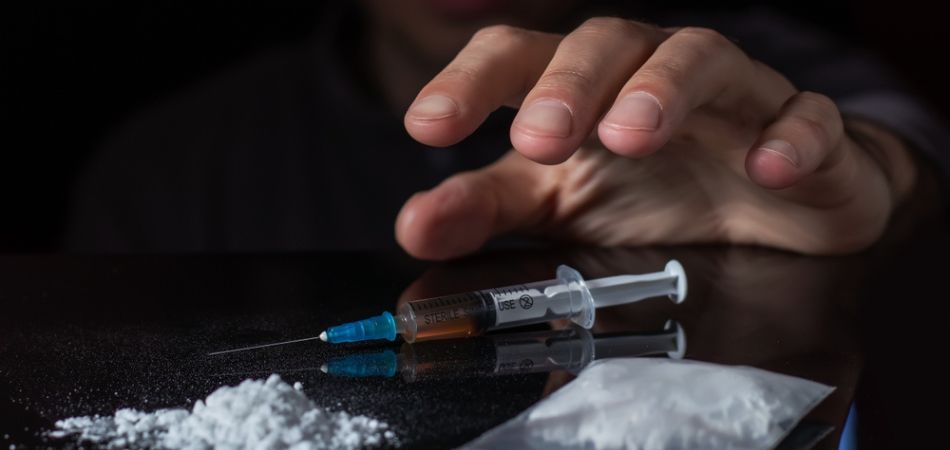
What Is Heroin Addiction?
Heroin addiction is a chronic and deeply physical form of dependency, in which the brain’s opioid system becomes so profoundly altered by regular use that stopping without professional support is extremely difficult and potentially dangerous.
Heroin is a highly potent opioid that binds rapidly to the brain’s opioid receptors, the receptors responsible for regulating pain relief, reward and emotional wellbeing. The effect is immediate and intense: a powerful euphoria accompanied by profound physical relaxation. It is the speed and strength of this response that gives heroin its high dependency potential. The brain’s reward system registers an unusually powerful signal, and the drive to repeat the experience is correspondingly strong.
With regular use, the opioid receptor system adapts. Receptor sensitivity decreases and progressively more heroin is needed to produce the same effect. The brain’s natural endorphin production is reduced. When heroin is absent, the resulting deficit produces withdrawal: a state of significant physical and psychological distress that becomes one of the most powerful drivers of continued use. This is the cycle at the heart of heroin dependency. Continuing to use does not feel like a choice, it feels like a necessity.
The social and environmental context of heroin use also plays a clinically significant role. The people, places and routines associated with using become deeply embedded as conditioned cues. Long after the physical withdrawal has resolved, these cues continue to trigger intense cravings. Addressing that cue-conditioned response is one of the most important aspects of relapse prevention work in heroin addiction rehab.
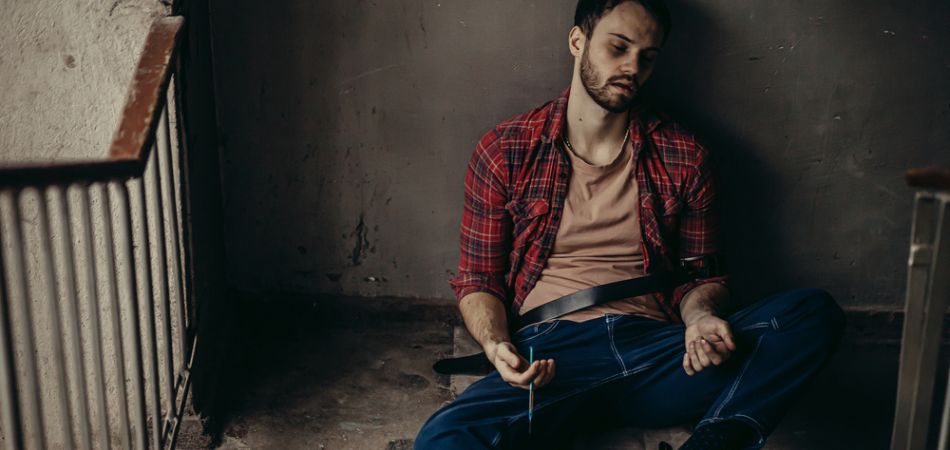
Start your Heroin detox with the right support in place
A free evaluation today means a plan that's ready when you are, tailored to your situation, with medical oversight and compassionate care from day one.
What Are the Signs and Symptoms of Heroin Addiction?
Heroin dependency does not always look the way people expect, and the signs can be easy to misread or minimise in the early stages. They are often visible to those around the person before the individual is even ready to acknowledge them.
When heroin is unavailable, withdrawal symptoms emerge quickly: nausea, vomiting, muscle aches and cramps, sweating, shaking and insomnia. The experience is extremely distressing and creates powerful pressure to use again simply to obtain relief, one of the key reasons why stopping without professional support is so difficult.
If any of this feels familiar, whether in your own life or in someone you care about, it is worth having a confidential conversation. Heroin dependency responds to the right clinical treatment, and reaching out is the most important step.
What Are the Risks of Heroin Abuse?
The risks of heroin use extend well beyond dependency and withdrawal. In the short term, heroin carries a significant risk of overdose, which can cause respiratory depression, loss of consciousness and death. That risk is heightened when heroin is combined with other substances, particularly alcohol or benzodiazepines. It is also significantly elevated when the purity or composition of the supply is unknown, with fluctuations in purity being a major contributing factor in overdose deaths across the UK.
Over the longer term, regular heroin use is associated with serious health consequences, including cardiovascular damage, liver and kidney deterioration, and a significant decline in mental health. For those who inject, additional risks include infection at injection sites, vein damage, and blood-borne diseases such as hepatitis C and HIV.
One risk deserves particular attention: the danger of overdose following a period of abstinence. Tolerance falls significantly during detox or any sustained period without heroin. If someone relapses and returns to the same amount they were previously using, the risk of fatal overdose is substantially higher than before they stopped. This is one of the most serious clinical risks in heroin addiction and one of the most important reasons why ongoing professional support after residential treatment matters so much.
Ready to explore Heroin rehab options? Let's talk it through.
We take the time to explain the full range of Heroin addiction treatment options available, so you can make informed decisions that feel right for you.
📞
Call us nowFree & confidential
✉️
Send an enquiryWe reply within hours
📋
Contact UsTakes 2 minutes
🔒 All enquiries strictly confidential
What Does Heroin Withdrawal Feel Like?
Heroin withdrawal typically begins within 6 to 12 hours of the last use and reaches peak intensity within 36 to 72 hours. It is often described as an intense flu-like state combined with profound psychological distress: muscle aches and cramps, sweating, shaking, nausea, vomiting, insomnia and powerful cravings. Anxiety and agitation can be severe, and sleep is often impossible during the acute phase.
Heroin withdrawal is extremely difficult to endure without professional support, and the relapse risk during this period is very high. Anyone physically dependent on heroin should seek medical advice before attempting to stop. Withdrawal needs to be properly assessed and clinically managed, and a relapse during or shortly after heroin detox carries a significantly elevated risk of fatal overdose because tolerance has fallen during the period of abstinence.

This is why medically supported heroin detox is so important. Clinical management of withdrawal makes the process significantly safer and more manageable, reduces the risk of complications, and substantially lowers the risk of the relapse that, in heroin dependency, can be fatal.
How to Take the Next Step
Reaching out does not require a referral, a formal decision or certainty about what you need. A phone call is enough to start. The admissions team is available to talk through the situation, answer questions, explain what treatment involves and help identify the most appropriate programme.
Life beyond Heroin dependency
is closer than you think.
We’ve seen how the right support can help people overcome Heroin addiction and the difference that specialist treatment can make. Whenever you’re ready, we’re here to help, without judgement, and with a clear path to recovery.


