





Written by:
Last Updated:
July 29th, 2026
Stimulant Addiction
Stimulant dependency does not always announce itself clearly. For many people, it develops gradually, through prescription use that escalates beyond its intended purpose, or through recreational use that starts to feel necessary rather than chosen. Stimulants are associated in many people’s minds with productivity, performance and focus rather than with harm. That association is part of what makes stimulant dependency so easy to miss, and so difficult to talk about.
Whether dependency has developed through prescribed ADHD medication or through non-prescribed amphetamine-based stimulants, the neurological and psychological impact is significant. The brain adapts quickly to stimulant use, and reversing those changes requires more than simply stopping. At Bayberry, a private residential clinic in the Warwickshire countryside, discreet and bespoke treatment is available for stimulant dependency of all kinds, built around each individual’s history, presentation and needs rather than a fixed clinical template.
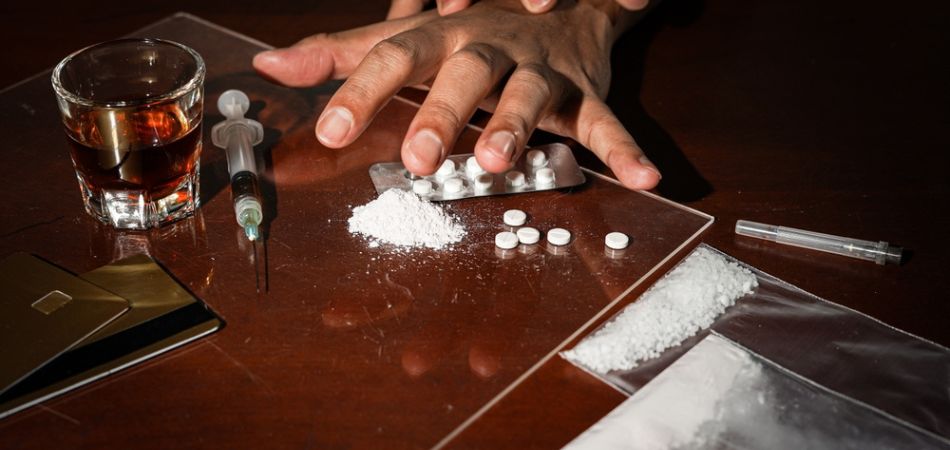
What Is Stimulant Addiction?
Stimulant addiction is a form of dependency in which the brain has become so reliant on artificial stimulation that functioning without it, concentrating, feeling motivated, managing mood, begins to feel genuinely impossible rather than merely difficult.
Stimulants act on the brain’s dopamine and norepinephrine systems, producing heightened energy, focus, alertness and, in some cases, a sense of euphoria or enhanced confidence. These effects are why stimulants are both therapeutically valuable for conditions such as ADHD and narcolepsy, and why they carry a meaningful potential for misuse.
With regular use, the brain adapts. Natural dopamine and norepinephrine production decreases, and the number of receptors available to receive these neurotransmitters reduces. The brain is attempting to compensate for the artificial boost the stimulant provides. The result is that ordinary life, without the substance, begins to feel flat, grey and increasingly unmanageable. Motivation, concentration, pleasure and basic function all feel depleted. At this point, dependency has developed: the stimulant is no longer something a person wants but something they feel they cannot function without.
Stimulant dependency can also develop in people who have never received a prescription: those using stimulants to manage demanding workloads or academic pressure, to suppress appetite and control weight, to improve performance in high-pressure environments, or simply because recreational use has gradually become something they cannot easily stop.
For people using stimulants to manage a diagnosed condition, this creates a particular clinical complexity. These medications can be genuinely effective treatments for ADHD and other conditions, and stopping raises real questions about how to manage the underlying need without the substance. Bayberry’s clinical team is experienced in working with exactly this situation, and treatment plans are adapted accordingly.

Safe, medically supported stimulant detox with continuous clinical care and oversight throughout.
Stimulant withdrawal can feel overwhelming during the detoxification process, but you don't have to go through it alone. Call now and our admissions team will walk you through exactly what to expect; at no cost and with no obligation.
What Are the Signs of Stimulant Addiction?
Stimulant dependency is one of the harder forms of addiction to identify, because the early signs can look indistinguishable from desirable traits. Someone who is productive, focused and energetic does not look like someone with a dependency problem. The signs below are worth paying attention to regardless of how functional the person appears from the outside.
Common signs that stimulant use may have become difficult to control include:
Stimulant dependency is particularly good at disguising itself as something else, ambition, productivity or necessity. If something in this list has given you pause, that recognition is worth paying attention to.
What Are the Risks of Stimulant Misuse?
The risks associated with sustained stimulant use are significant and span multiple areas of health and functioning. They are also frequently underestimated, partly because stimulants are so closely associated with performance and productivity that the harm they cause can be difficult to see until it is well advanced.
Your Stimulant Addiction-free future
starts with one phone call.
What Does Stimulant Withdrawal Feel Like?
Stimulant withdrawal is not the same as withdrawing from alcohol or benzodiazepines. There is no acute medical danger in the same sense, no risk of seizure from stopping suddenly. What there is instead is a psychological and neurological experience that can be profound, prolonged and very difficult to navigate without support. For many people, it is the withdrawal period rather than the using period that finally makes the scale of the dependency clear.
The first phase of stimulant detox is dominated by exhaustion. Not the tiredness that follows a poor night’s sleep, but a deep, physical depletion that can feel like an inability to generate any momentum at all. The brain and body, accustomed to artificial stimulation, have nothing left of their own. This phase can last from days to weeks depending on the pattern and duration of use.

What follows is harder in a different way. As the acute crash resolves, a sustained period of psychological difficulty takes hold. Severe depression, an inability to feel pleasure in anything, intense cravings tied to the emotional states that stimulant use was managing, concentration difficulties and disrupted sleep are all characteristic of this phase. People describe a world that has lost its colour, an inability to care about things that previously mattered, a flatness that feels permanent even when it is not.
That last point matters. The depression and anhedonia of stimulant withdrawal are neurological in origin, a reflection of how significantly dopamine systems have been depleted, and they do resolve with time and the right support. Residential treatment provides a stable, structured environment in which stimulant detox and the weeks that follow can be navigated with consistent clinical and therapeutic support in place throughout.
How to Take the Next Step
Stimulant dependency is one of the easier forms of addiction to rationalise and one of the harder ones to ask for help with. If something you or someone you love needs help overcoming addiction, Bayberry can help.
Bayberry’s admissions team is available seven days a week for a completely confidential conversation. We can answer questions honestly, explain what residential treatment involves and help work out whether Bayberry is the right fit.
A conversation can change
everything
Taking the first step, and acknowledging your simulant dependency is the hardest part. Call us today, and speak with a member of our team in complete confidence, who understands firsthand the challenges of addiction.


