




Written by:
Last Updated:
July 29th, 2026
Secondary Care Treatment
Leaving residential treatment is not the end of recovery, it is in fact the point at which recovery moves from a protected environment into real life, and that transition carries its own challenges. Familiar places, relationships and pressures return. The skills and routines built during treatment are still relatively new and the structure that made the residential period feel manageable is no longer in place.
Secondary care provides continued support during this adjustment. It sits between primary residential treatment and the longer-term aftercare and community support stages of recovery, offering more structure than standard aftercare for people who benefit from a more gradual step down.
Bayberry helps clients consider what may be needed after primary residential treatment, including secondary care options within the wider UKAT continuum of care where appropriate.

What Is Secondary Care After Rehab?
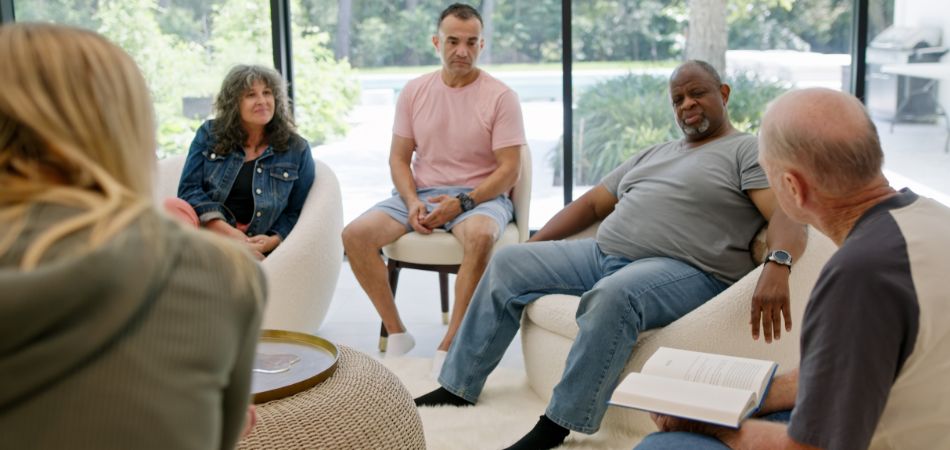
Secondary care is a structured phase that follows primary residential treatment and precedes the ongoing aftercare and alumni support stages of recovery. It offers more continued recovery support than standard aftercare, while operating at a lower intensity than a residential programme, allowing for more independence.
Depending on individual needs and the recommendation of the clinical team, secondary care may support:
- Relapse prevention work and awareness of personal triggers
- Continued therapeutic reflection and accountability
- Emotional regulation and developing coping strategies
- Ongoing recovery routines and healthy structure
- Fellowship connection and 12 Step engagement where appropriate
- Reintegration into daily responsibilities, relationships and work life
- Maintaining momentum and confidence after residential treatment
The exact format depends on the individual’s needs, circumstances and what the clinical team recommends as part of discharge planning.
Your addiction-free future
starts with one phone call.
Why the Step Down from Primary Treatment Matters
During a residential programme, the environment itself provides a significant degree of structure and protection. There is no access to substances, no exposure to the social situations associated with previous use, and consistent professional support throughout the day.
Returning home brings all of that back into view at once. Familiar places and people that were previously associated with use. Family and relationship dynamics that may still need attention. Work and practical responsibilities resuming. Cravings triggered by old routines or emotional states. The need to practise recovery skills in real-world conditions rather than a residential setting.
None of this means that primary treatment has not worked. It reflects the reality that recovery is a process, not a single event. For some people, having continued professional support during this adjustment period makes a meaningful difference to whether the progress made in treatment holds.
How Secondary Care Differs from Primary Treatment, Aftercare and Alumni Support
It helps to understand where secondary care fits within the broader recovery pathway.
- Primary treatment is the intensive residential phase of rehab, where the most significant clinical and therapeutic work takes place.
- Secondary care is a structured step-down phase after primary treatment, offering more continued recovery support than standard aftercare for those who may benefit from additional structure during the transition period.
- Aftercare is ongoing post-treatment support that helps maintain connection, accountability and recovery routines after residential treatment has ended.
- Alumni support is the wider UKAT recovery community, offering peer connection, shared experience and longer-term support beyond the formal treatment stages.
These stages are not interchangeable. Each serves a different purpose at a different point in the recovery journey.
Who Might Benefit from Secondary Care?
Not everyone who completes primary residential treatment will require secondary care. Many people move from primary treatment into aftercare and alumni support and do well with that level of continued connection.
Secondary care may be particularly relevant for people who:
- Are returning to a home environment where relapse risk is considered higher
- Have a history of relapse after previous treatment
- Have limited support from family, friends or social networks at home
- Have co-occurring mental health needs that benefit from continued structured support
- Feel that moving directly from residential treatment into everyday life would be a significant stretch
- Need additional time to strengthen recovery routines and relapse-prevention planning
- Would benefit from continued therapeutic accountability beyond standard aftercare
Whether secondary care is appropriate is something the Bayberry team discusses with each client as part of discharge planning, taking into account clinical needs, home environment, recovery goals and individual readiness.
Secondary Care Within the Wider UKAT Continuum of Care
Bayberry is part of the UKAT Group, one of the UK’s leading providers of addiction treatment. Being part of this network means that clients completing primary residential treatment at Bayberry are not simply discharged and left to manage independently. The wider UKAT pathway can offer continued recovery support beyond what Bayberry provides directly, where this is clinically appropriate and in the best interests of the individual.
The UKAT continuum of care is designed so that each stage connects meaningfully to the next: from the intensity of primary treatment, through a structured step-down where needed, into longer-term aftercare and peer community support. This broader network can support:
- Continued recovery structure after primary treatment
- Ongoing therapeutic or recovery work where suitable
- 12 Step-informed recovery principles where appropriate
- Fellowship connection and peer community
- Relapse-prevention focus during the transition to independence
- Step-down planning and practical reintegration support
The admissions and clinical team at Bayberry can help clients and families understand what the broader UKAT pathway may look like, and which options may be most relevant to individual needs.
A conversation can change
everything
Taking the first step, and acknowledging your addiction dependency is the hardest part. Call us today, and speak with a member of our team in complete confidence, who understands firsthand the challenges of addiction.
What Secondary Care May Support
The focus of secondary care is practical as well as therapeutic, applying and consolidating what has been worked on during primary treatment as real-life conditions return. This might include managing cravings and responding to triggers without returning to old patterns, rebuilding daily routine and looking after physical wellbeing, repairing family communication and relationships, returning to work or managing practical responsibilities, and maintaining social connection rather than withdrawing into isolation. Where fellowship or 12 Step work forms part of the recovery approach, secondary care can support continued engagement with that too.
The specific focus is tailored to the individual. There is no fixed programme that applies to everyone.
Planning Secondary Care Before Leaving Primary Treatment
Secondary care is most effective when it is planned before someone leaves primary treatment, rather than arranged at the point when difficulties have already emerged. Discharge planning at Bayberry addresses this directly.
The conversation about secondary care typically covers:
- Clinical assessment and recommendations from the Bayberry team
- The individual’s home environment and the specific challenges it may present
- Any risk factors that may make a structured step-down particularly important
- Recovery goals and readiness for greater independence
- Family involvement and support where appropriate and with the client’s consent
- Aftercare and alumni support planning alongside, or instead of, secondary care

Planning this stage thoughtfully before discharge, rather than after the fact, gives the best opportunity to put the right level of support in place at the right time.
How Bayberry Helps Clients Think Beyond Primary Treatment
Part of the work during a Bayberry residential programme is preparing for what comes after it. The clinical and therapeutic team works with each client to consider next-stage support as part of the treatment and discharge planning process.
This may include discussing aftercare provision, wider UKAT secondary care options where relevant, alumni network involvement, fellowship engagement, or other recovery support that suits the individual’s circumstances and goals. The aim is for every client to leave primary treatment with a clear and realistic plan for what comes next.
Families and loved ones are also welcome to raise questions about continuing care. With the client’s permission, the team is happy to involve family members in discharge planning conversations where this feels useful and appropriate.
How to Take the Next Step
Whether you are considering primary treatment for the first time, thinking about what comes after, or looking for information on behalf of someone you care about, the admissions team is available seven days a week for a completely confidential conversation.
Understanding what the recovery pathway looks like beyond the residential stay is a reasonable and useful part of making a decision about treatment. The team can explain how primary residential treatment works at Bayberry, what secondary care and continuing support options may look like, and what the most appropriate approach might be based on individual circumstances.
A healthier, addiction-free life is possible, and it starts here
Whether this is your first step or support following a relapse, we provide expert care at every stage of recovery in a safe and supportive setting.


